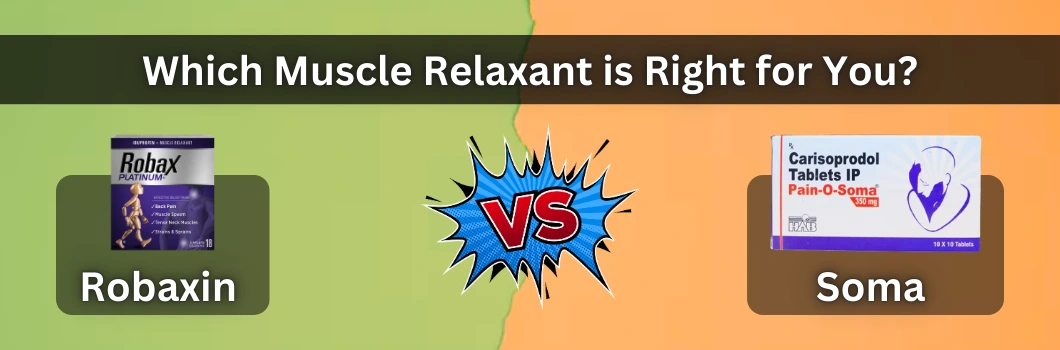

Essential oils can help relieve muscle pain by reducing inflammation, improving circulation, and relaxing tense muscles when used topically or in warm baths. Oils like eucalyptus, peppermint, lavender, ginger, and black pepper are commonly used for sore muscles and stiffness. Proper dilution and safety precautions are essential to avoid irritation and the risk of side effects. For severe or persistent pain, essential oils work best when combined with medical treatment, stretching, heat therapy, or massage.
Muscle pain is very common in people and can affect their quality of life. Muscle pain can happen in any part of the body, and sometimes even in multiple areas at the same time. It does not affect your ability to work, but it can also impact your mobility and concentration. Muscle pain is a major medical issue and can affect 60 to 80% of the population [1]. This is why finding the treatment option is very important. Now, most doctors will recommend the use of a muscle relaxer to help you manage this pain. But natural options like the use of essential oils can also be effective in helping manage such pain effectively.
In this blog, we will explore the best essential oils for sore muscles and also help you understand the best ways to use them. For severe cases, we will see how to pair essential oils with prescription muscle relaxers for the best result.
Understanding Muscle Pain
Muscle pain, also known as Myalgia is a discomfort that is experienced after a workout or when you suffer from the flu [2]. Some of the most common causes of muscle pain are stress, tension, minor injuries, and overuse of the muscles [3]. Other causes of muscle pain include muscle tears, strained muscles, and muscle sprains.
Muscle pain often ranges from mild to severe and may worsen over time. It can be accompanied by numerous symptoms such as-
-
Swelling
-
Shooting pain
-
Stabbing pain
-
Numbness
-
Burning sensation
-
Muscle stiffness
-
Discomfort when performing certain movements [4].
What Are Essential Oils?
Essential oils are highly concentrated extracts from different plants that are used topically for a condition or used in aromatherapy [5]. It is a form of alternative medicine that uses plant extracts to support well-being and health.
The essential oils are obtained through distillation or mechanical methods such as cold pressing. Once the aromatic chemicals have been obtained, they are combined with carrier oil, making it ready to be used.
How do essential oils work?
In aromatherapy, the yse inhaled through various methods. For pain, you can apply it to the affected area. When it is applied to the skin, some of the chemicals are absorbed. When you apply essential oils with heat, it improves the absorption. In addition, applying heat to the affected area along with the oil can also be beneficial.
Inhaling the aromas from essential oils can stimulate your limbic system, which is a part of the brain that plays a key role in controlling your behavior, smell, emotions, and long-term memory.
Best Essential Oils for Muscle Pain
Some of the best essential oils for managing muscle pain include-
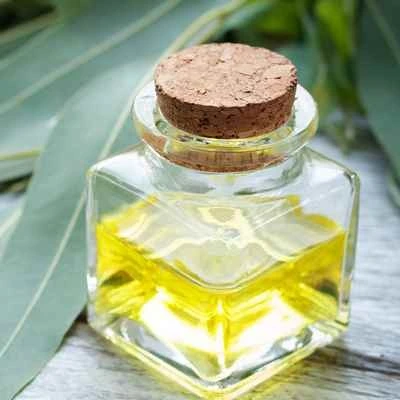
Eucalyptus Oil (Eucalyptus globulus)
Eucalyptus oil is extracted from the leaves of the eucalyptus tree and is well known for its analgesic, anti-inflammatory, and circulation-enhancing properties. These benefits make it an effective natural remedy for joint pain and tired muscles.
A 2011 study suggests that eucalyptus oil may help manage pain associated with rheumatoid arthritis by lowering the severity of inflammation.
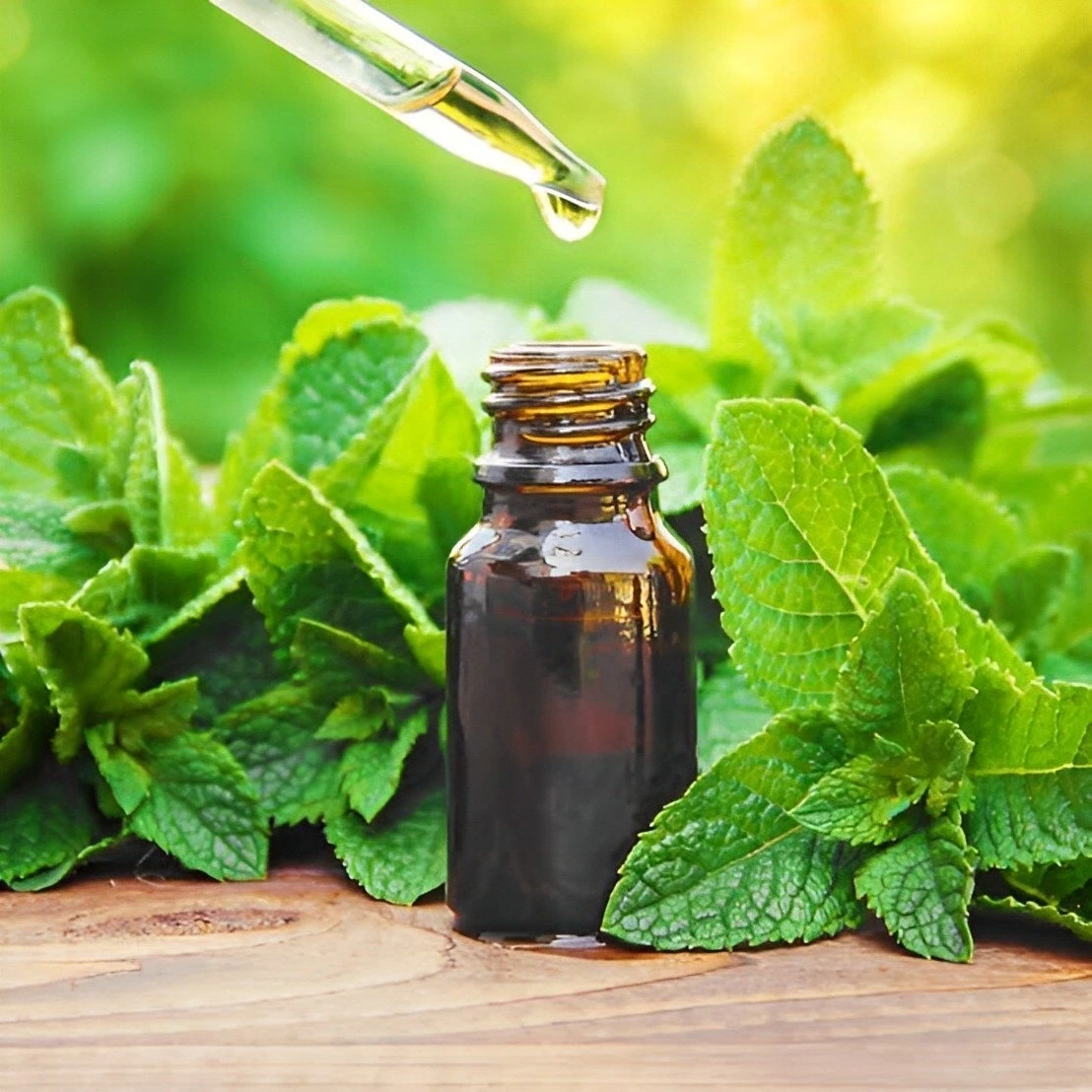
Peppermint oil
Two studies suggest that applying peppermint oil and ethanol mixture on the forehead and temples can help in relieving headaches in people. Peppermint is a natural hybrid of spearmint and water mint. Extracted from the flowering plant and its leaves, peppermint oil has a temperature-balancing effect and helps promote blood circulation.
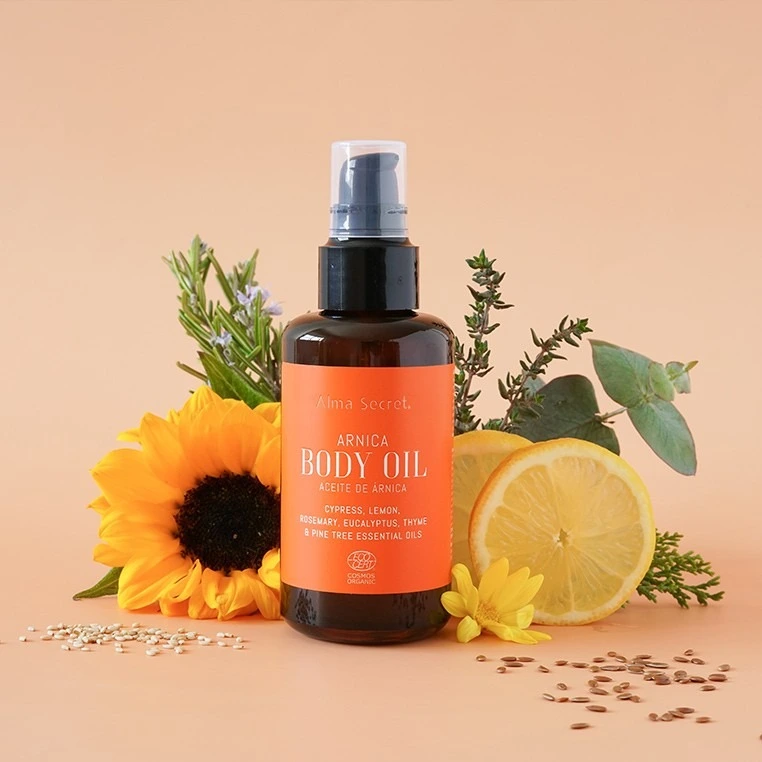
Arnica oil
Arnica oil is well known for its pain-relieving properties and has antioxidant and anti-inflammatory benefits. It is commonly used after surgery to help reduce bruising and swelling. However, it should be used with caution as ingestion can be toxic and topical use may cause skin irritation in some people.
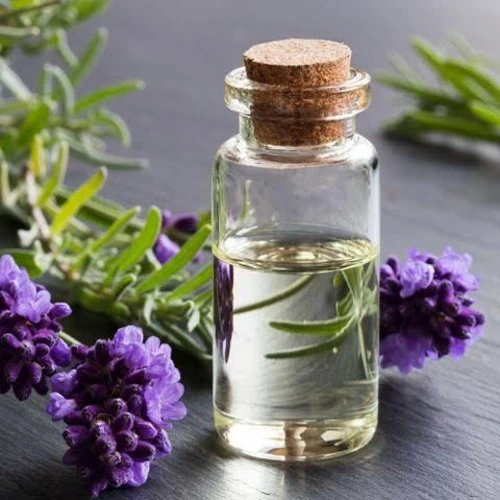
Lavender oil
Known as the mother of aromatherapy, lavender oil is widely used for pain management and relaxation. A 2010 study suggests it may help reduce menstrual cramps. It also has anti-convulsant properties, helps relieve stress, relaxes tight muscles, and calms the body.
Chamomile oil
Roman and German chamomile are the two most commonly used varieties in essential oils. Both help improve mood, inflammation, and pain. Studies suggest chamomile oil may improve joint function, osteoarthritis symptoms, and reduce carpal tunnel syndrome discomfort.
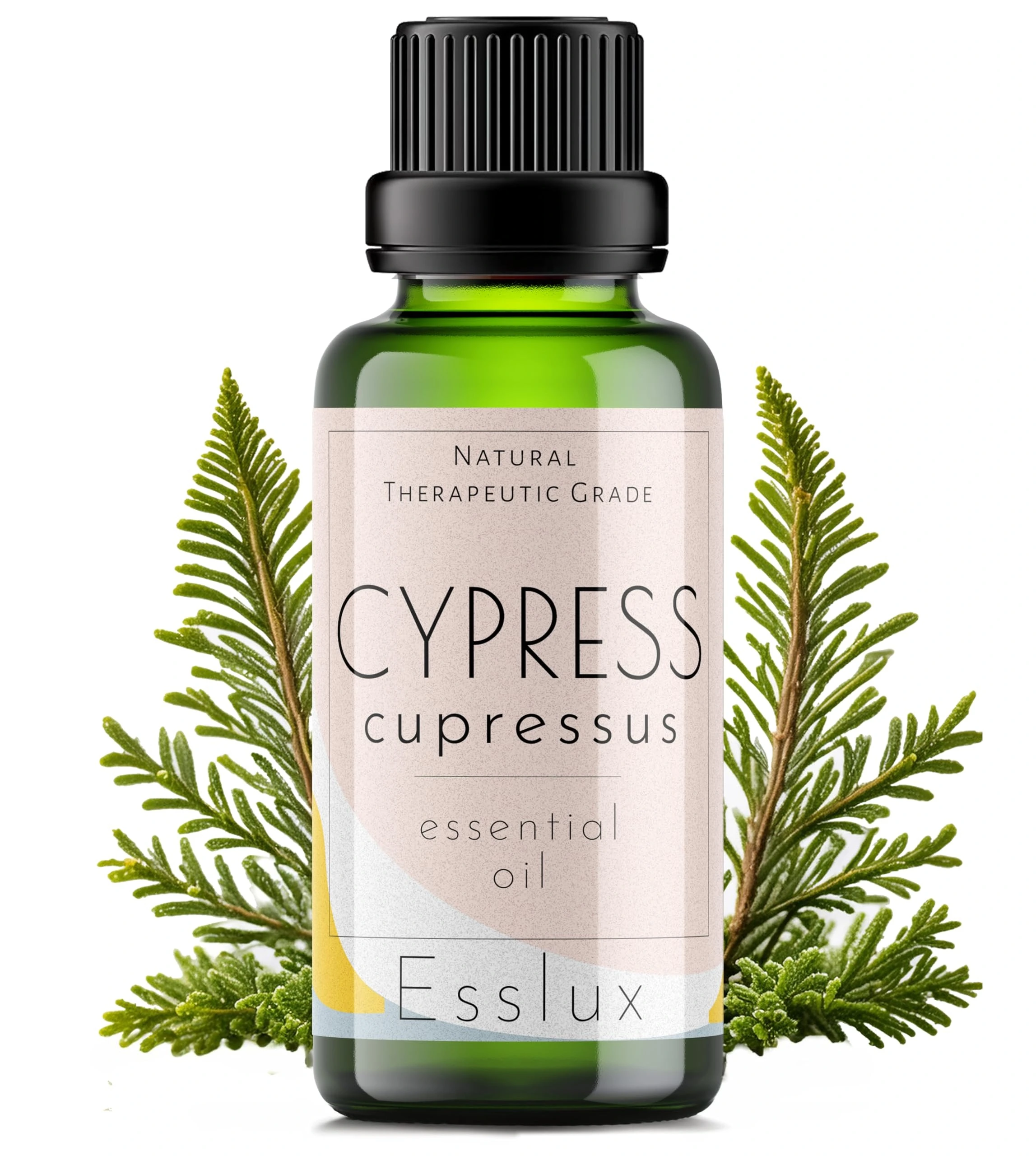
Cypress oil
Though its scent may not be appealing to everyone, cypress oil is highly effective for muscle and joint pain. Its antispasmodic properties help relax muscle spasms, ease tightness, and may also assist in treating restless leg syndrome.
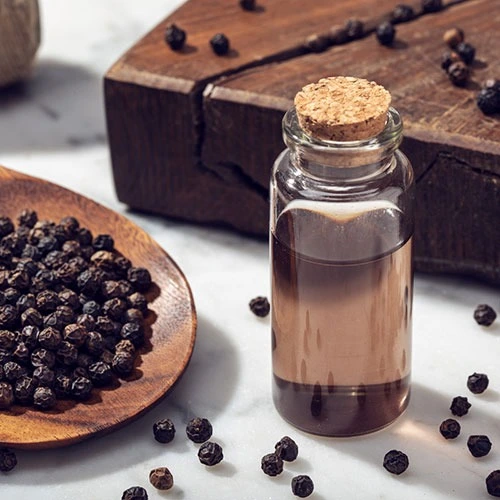
Black pepper oil
Black pepper oil provides a distinctive warming effect and has strong antispasmodic and anti-inflammatory properties. It helps relieve sore joints, tense muscles, and tendon pain.
A 2014 study found that topical application of black pepper oil significantly improved neck pain, particularly in the upper trapezius muscles.
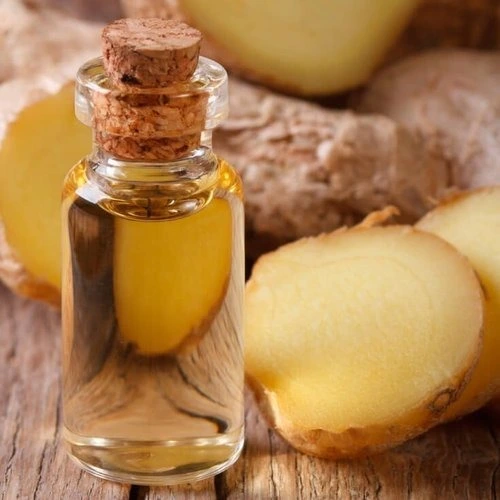
Ginger oil
Ginger essential oil contains zingiberene, a powerful natural pain reliever. It has strong anti-inflammatory properties that help soothe swollen muscles and inhibit pain responses. Studies suggest ginger oil can reduce exercise-induced muscle pain and help manage knee pain caused by osteoarthritis.
How to Use Essential Oils for Muscle Pain
You can use essential oils for muscle pain in the following ways-
Topical Use
There is no strict way to use essential oils for inflammation and pain. However, here is how you can use essential oil-
You will need
-
30 drops of your essential oil.
-
100ml of carrier oil.
Method
-
You should mix your essential oil with a carrier oil in a bowl.
-
If you are applying the mixture to an elderly person, use a milder dilution rate of 1% as opposed to the recommended 3%.
-
Using your fingertips, you should then gently rub the oil mixture onto the sore area.
-
Now leave to absorb.
Baths
You can also add your essential oils to your bath water (make sure it is warm) for a relaxing bath for a gentle relief. You can do so by adding five to eight drops of oil into your bath water and letting your body soak in it. It is advisable to use essential oils such as eucalyptus and peppermint with caution, as they may cause irritation if used in excessive amounts. You can also start with a gentler option like lavender oil.
Safety Tips and Precautions
One of the first things to take into consideration when using essential oils on your muscles is to ensure that the oils are correctly diluted. Improper dilution can increase the risk of irritation on the skin that may result in permanent intolerance to the oil. This can also result in redness and rashes. So always make sure that you use a 3% dilution rate or below when combining your essential oils for tropical use.
Essential Oil Dilution Guide
|
Adults |
Recommended Percentage |
Drops per 10ml carrier oil |
|
General |
2 to 4% |
4 to 8 drops |
|
Face |
1 to 2% |
2 to 4 drops |
|
Acute treatment |
5 to 10% |
10 to 20 drops |
|
Children |
||
|
0 to 2 years |
Avoid |
|
|
2 to 6 years |
0.25 to 0.5% |
1 drop |
|
Over 6 years |
0.5 to 1% |
1 to 2 drops |
|
Elderly |
||
|
60 to 80 years |
1 to 3% |
2 to 6 drops |
|
Over 80 years |
0.5 to 1.5% |
1 to 3 drops |
Before using essential oils, talk to your doctor if-
-
You are pregnant or breastfeeding.
-
You are using essential oils on your children.
-
You suffer from a chronic illness.
When using essential oils, it is best to always perform a patch test on a small area of skin to ensure you are not allergic to them. This will also help in avoiding any possible irritation risk.
When Essential Oils May Not Be Enough
Along with the use of essential oils, here are some other effective ways to manage body pain.
Use of muscle relaxers
Muscle relaxers are prescription medicine that affects the muscle functioning. Doctors may prescribe them to treat muscle spasms, musculoskeletal pain, and spasticity. One of the most common muscle relaxers recommended by doctors is Carisoprodol. Available under the brand name Soma, it works within 30 minutes of intake. Beginners are recommended to start with a lower dose, such as a Soma 350mg pill, but only under a doctor’s guidance. Some of the other effective muscle relaxers available in the market include cyclobenzaprine, methocarbamol, and tizanidine.
The use of these muscle relaxers is recommended for up to 2 to 3 weeks. Long-term use without a prescription may cause dependency in the user.
Other Options
In addition to muscle relaxers, some of the other effective ways to manage muscle pain include-
-
Stretching- This exercise focuses on targeting and relieving muscle soreness.
-
Magnesium- The use of magnesium is important for muscle functioning and relaxation. It can also help in reducing muscle cramps and spasms.
-
Heat packs- Using heat packs or heat pads can help in increasing the blood flow and relax tight muscles. This helps in managing pain effectively.
-
Remedial massage- Getting a deep tissue massage focuses on treating muscle issues, improving circulation, reducing pain, and promoting relaxation.
Essential Oils For Muscle Pain- Our Final Thoughts
Muscle pain is a common issue that can affect mobility and focus. Essential oils offer a natural, supportive option for managing mild to moderate muscle discomfort by helping reduce inflammation, improve circulation, and promote muscle relaxation. Oils such as eucalyptus, peppermint, lavender, ginger, and black pepper can be especially effective when used correctly and safely.
While essential oils can be a valuable part of pain management, they may not be sufficient for severe or persistent pain. In such cases, combining them with medical treatments like prescribed muscle relaxers, stretching, heat therapy, and massage can provide better relief. Always use essential oils with proper dilution, follow safety precautions, and consult a healthcare professional when needed.